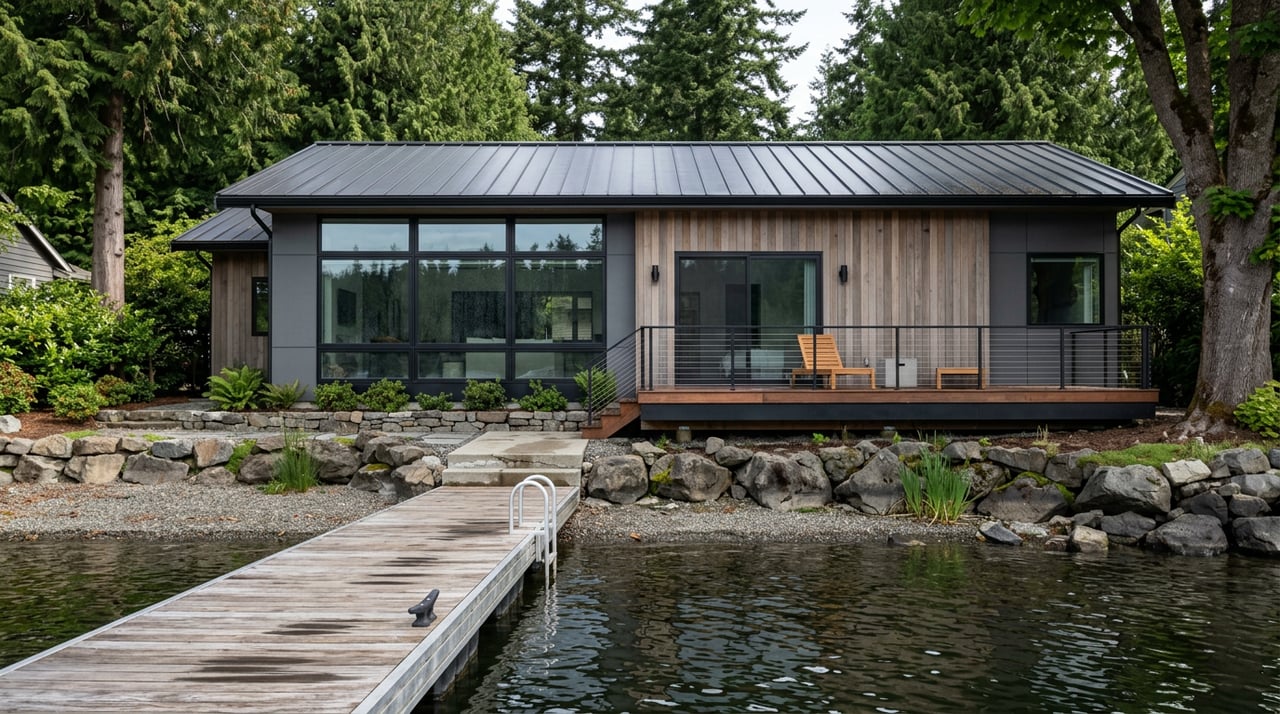
If lake views, a private dock, and quick access to Seattle and Bellevue are on your wishlist, Mercer Island delivers. Waterfront here is rare, tightly regulated, and high value, which makes preparation key whether you plan to buy or sell. In this guide, you’ll learn what drives value, how to vet docks and shorelines, which permits matter, and the steps that help you move forward with confidence. Let’s dive in.
Mercer Island waterfront at a glance
Mercer Island sits in Lake Washington between Seattle and Bellevue, with direct access via I‑90 and planned light rail service across I‑90 beginning in 2026. You can track the project on Sound Transit’s East Link pages, including the East Link expansion overview.
Recent market summaries place the island’s median sold price roughly in the 2.3 to 2.6 million dollar range, with waterfront sales spanning everything from older lake cottages to multi‑million‑dollar estates. See the current snapshot in the Mercer Island market report. Inventory on the shoreline is limited, and each site is highly specific, which is why preparation and verification matter so much here.
Home types and shoreline features
Most Mercer Island waterfront properties are single‑family homes on lakefront lots with private docks. You will see a mix of mid‑century originals, extensive remodels, and new builds. Orientation, slope, and shoreline frontage vary widely and play a big role in how you use the water. For a helpful overview of local home and moorage types, review this guide to Mercer Island waterfront home types.
Key features to assess early:
- Linear feet of shoreline and whether it is beach, riprap, or bulkhead.
- Orientation and wind exposure, which influence sunlight, waves, and wake.
- Slope stability and access paths to the dock or beach.
- Existing dock configuration, utilities to the dock, and lift equipment.
What drives waterfront value
While every property is unique, several drivers consistently shape pricing on Mercer Island waterfront:
- Verified private moorage and dock rights, with documented authorization where required.
- Unobstructed water views and usable outdoor living spaces.
- Shoreline frontage and orientation that maximize sun and minimize exposure.
- Lot developability, including slope stability and access.
- Overall home condition and the quality of recent improvements.
Academic research often finds that water views and access can command noticeable premiums in urban settings, commonly in the 10 to 30 percent range depending on context and methodology. For background, see this review of view and access premiums in urban markets on ResearchGate. Treat this as context rather than a guaranteed multiplier, since Mercer Island pricing is highly property specific.
I‑90 proximity: access vs. noise
Proximity to I‑90 is a classic tradeoff. Improved access can be a benefit, especially with East Link set to improve transit options in 2026. At the same time, highway noise and roadway views can reduce appeal for some buyers close to the corridor. Transportation research consistently finds that highway noise can lower nearby residential values, with effects concentrated at shorter distances. For an overview of how noise is evaluated, see the FHWA’s summary on residential noise considerations. The net effect on any single property depends on exact siting, shielding, and buyer priorities.
Permits and shoreline rules you need to know
Mercer Island administers a Shoreline Master Program under Washington’s Shoreline Management Act. Most shoreline work requires a City Shoreline Exemption or a Shoreline Substantial Development Permit, and all projects must meet “no net loss” ecological objectives. Start with the City’s Shoreline Management page for process, thresholds, and submittal requirements. The City completed SMP amendments that took effect in July 2024, so always verify the latest language before you plan work.
Waterfront projects often include multiple agencies:
- City of Mercer Island: Shoreline Exemption or SSDP, building permits, and critical areas review.
- Washington Department of Fish and Wildlife: A Hydraulic Project Approval for most in‑water or near‑shore work.
- State coordination: The state’s ORIA guide summarizes typical permits for docks, bulkheads, and dredging, including DNR aquatic lands needs and federal approvals. Review the ORIA docks and bulkheads overview.
Expect a multi‑month review when several agencies and technical studies are involved. Plan early and keep records organized.
Common permit triggers on docks and shoreline
Mercer Island’s dock guidance outlines practical thresholds that affect your path to approval. Typical triggers include new docks, full dock replacements, extensions, replacement of a significant portion of piles or framing, and major bulkhead work. Engineered plans and pile calculations are generally required for full replacements, and the building official can require more analysis for docks expected to moor larger vessels. See the City’s Docks guidance for details.
Buyer due diligence and inspections that matter
Waterfront properties come with unique inspection and verification needs. During your review period, focus on:
- Dock and pile condition. Look for rot, scour, pile embedment, framing connections, and the condition of floats and lifts. The City’s dock guidance lists the calculations and drawings typically required for repairs and replacements.
- Bulkhead and shoreline armor. Watch for signs of erosion, undermining, or unpermitted structures. Shoreline rules often favor soft‑shore solutions when feasible, which can influence repair options and mitigation.
- Slopes and retaining walls. Unstable slopes or undocumented walls can add engineering, geotechnical, and time to your approvals.
- Utilities and sewer. Confirm service points and request any available reports on private laterals or dock utilities.
- Environmental conditions. Note invasive plants, wider solid‑deck docks that shade habitat, and any recorded mitigation obligations from prior permits.
- Flood risk. Check FEMA maps to confirm flood zone and lender or insurance requirements. You can start with FloodSmart’s flood zone guide.
Seller strategies for a smooth sale
Waterfront buyers look for verified facts and thoughtful presentation. Before you list, consider these steps:
- Gather documentation. Compile prior shoreline permits, dock plans, agency approvals, and any mitigation or monitoring records. Include clear statements about moorage rights and any DNR bedland authorization if applicable. The ORIA permit guide outlines what agencies typically require.
- Inspect proactively. Commission a dock and shoreline assessment and address safety or maintenance issues where feasible. If major work is needed, discuss permit pathways and likely timelines so buyers understand what is realistic.
- Present with intention. Use professional photography, drone visuals where appropriate, and accurate measurements of shoreline frontage and dock dimensions. Make sure marketing copy reflects permitted uses and any public access easements.
- Set expectations. Shoreline work often adds 3 to 12 or more months to timelines depending on scope and permits. Being transparent helps protect your price and reduce surprises in escrow.
Buyer checklist: what to verify
- Copies of shoreline permits, exemptions, and mitigation covenants on title.
- Evidence of dock authorization and any DNR aquatic lands lease if structures extend over state‑owned bedlands.
- Recent dock, bulkhead, and slope inspection reports, plus geotechnical input on steep lots.
- Agency permit histories and correspondence, including City, WDFW HPA records, and federal clearances where applicable.
- FEMA flood zone, current insurance quotes, and any marine coverage needs.
- Title exceptions for shoreline easements, shared moorage agreements, or view covenants.
Seller checklist: how to prepare
- Assemble all shoreline and building permits, plans, and past approvals in one digital packet.
- Provide measured shoreline frontage, dock dimensions, and verified moorage rights.
- Disclose any known enforcement cases or unpermitted shoreline work.
- Photograph the dock, shoreline, and views in good light, and include utility feeds and lift equipment.
- Outline realistic timelines for buyer‑initiated work based on agency pathways and seasonality.
Timeline and budget expectations
Shoreline approvals usually take longer than standard residential permits. If you are planning a dock replacement, bulkhead repair, or slope stabilization, budget several months for design, submittals, and multi‑agency review. In‑water work is often limited to certain seasons to protect fish and habitat, which can push construction windows. On the buyer side, build contingency time into your offer if you plan immediate shoreline work. On the seller side, decide whether it is better to permit work in advance or price and disclose current conditions.
Ready to buy or sell on the water?
Mercer Island waterfront can be a once‑in‑a‑decade opportunity when the right property comes along. With the right plan, you can navigate inspections, verify moorage, and present a clear path for any future shoreline work. If you are exploring the market or gearing up to list, the Andrew Jackson Team is here to help you prepare, market, and negotiate with confidence.
FAQs
What permits do I need to rebuild a dock on Mercer Island?
- Most dock rebuilds require a City Shoreline Exemption or SSDP, a WDFW Hydraulic Project Approval, and may involve state or federal reviews. Start with the City’s Shoreline Management page and WDFW’s HPA guide.
How do I verify that a private dock is legally authorized?
- Request copies of City shoreline permits and approvals and check whether any DNR aquatic lands lease applies if structures extend over state‑owned bedlands. The state’s ORIA permit overview explains typical authorizations.
Are Mercer Island waterfront homes in a flood zone?
- Some parcels are, depending on elevation and mapping. Confirm with FEMA resources and lenders. You can begin with FloodSmart’s flood zone overview.
How long does shoreline permitting usually take?
- It varies by scope and agencies involved, but multi‑month timelines are common for docks, bulkheads, and slope work. Seasonal in‑water work windows can also affect scheduling.
What features most influence Mercer Island waterfront pricing?
- Verified moorage rights, water views, shoreline frontage, orientation, lot stability, outdoor living, and overall home quality are primary drivers. Market scarcity adds to the premium.
How will East Link light rail affect Mercer Island waterfront owners?
- Improved regional access beginning in 2026 is a positive for many, while homes near I‑90 should balance access benefits with potential noise or visual tradeoffs. You can follow project details on Sound Transit’s project pages.