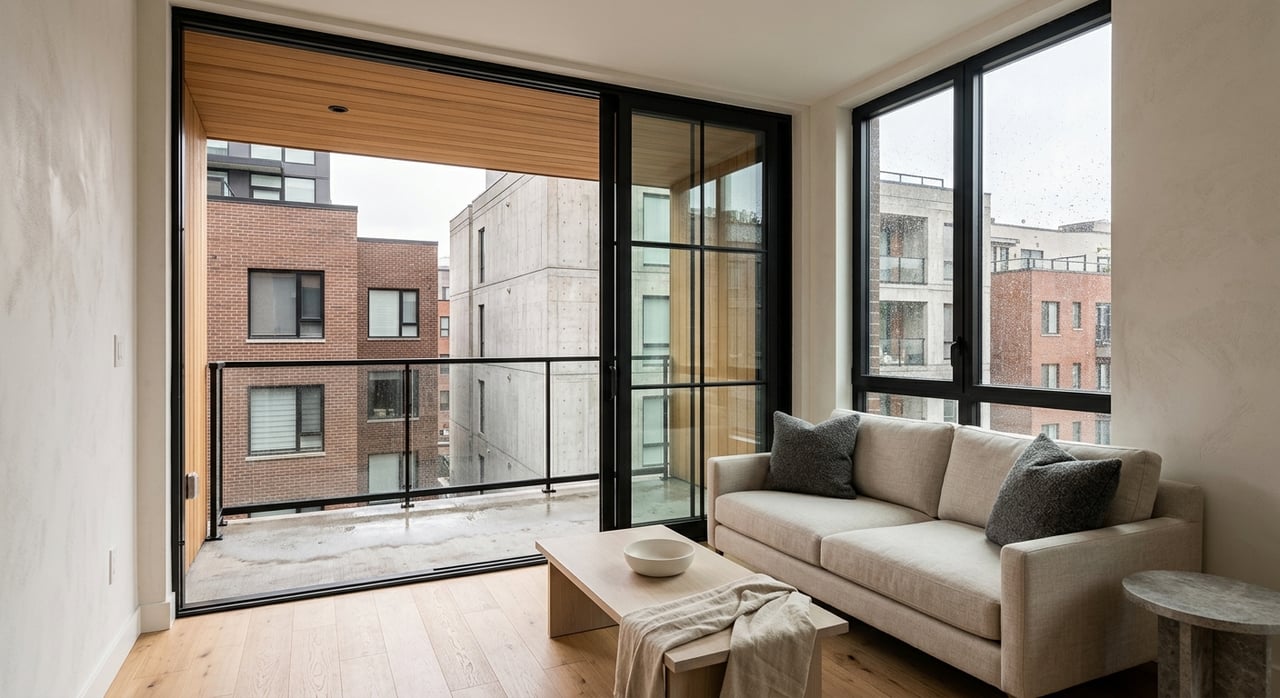
If you picture Seattle condo living as just a smaller home in a taller building, you may be in for a surprise. In Seattle, condo life is often shaped as much by the block, the transit options, and the building rules as it is by the unit itself. If you are thinking about buying a condo here, it helps to know what daily life really feels like before you commit. Let’s dive in.
Seattle condo living feels urban by design
Seattle has planned much of its growth around urban centers and villages with access to jobs, transit, and everyday services. Downtown is both a major housing center and the city’s largest employment center, which helps explain why condo living in Seattle often feels especially connected to the surrounding neighborhood.
That means your lifestyle may extend beyond your front door more than it would in a suburban setting. In many central neighborhoods, the nearby streets, parks, plazas, retail spaces, and transit stops become part of your daily routine. When you live in a Seattle condo, the building matters, but the immediate area matters just as much.
In places like First Hill and Capitol Hill, the city describes the environment as dense urban living with strong access to walking, biking, and transit. For many buyers, that is a big part of the appeal. You are not just choosing square footage. You are choosing how you want to move through the city every day.
Daily life often revolves around getting around
One of the biggest differences in Seattle condo living is transportation. In the core neighborhoods, it can be realistic to live with one car, or even no car at all, depending on your routine and comfort level.
Seattle has been building out its Center City bike network with protected bike lanes, safer street design, and signal improvements. The city’s bike and scooter share program is also meant to support quick errands and short trips, including connections to light rail.
Transit access is another major part of the condo experience. King County Metro operates bus service, on-demand service, paratransit, vanpool, water taxi service, Seattle Streetcar, Sound Transit Link light rail, and Sound Transit Express buses. Metro also runs Night Owl service from midnight to 5 a.m. every day, serving downtown Seattle and many neighborhoods.
The regional rail network adds another layer of convenience. Sound Transit’s 1 Line serves major Seattle stops including Capitol Hill, Westlake, Pioneer Square, International District/Chinatown, Stadium, SODO, Beacon Hill, Mount Baker, Columbia City, Othello, Rainier Beach, and SeaTac/Airport. The 2 Line also extends rail connections to the Eastside, including Bellevue and Redmond-area stations.
What this means for your routine
If you buy a condo in a central Seattle neighborhood, your day may look different from life in a detached home. Instead of planning everything around driving, you may walk to coffee, ride light rail to work, use a scooter for errands, or rely on buses for evening plans.
For some buyers, that feels freeing. For others, it takes adjustment. The key is to think honestly about how you want to live, not just what kind of home you want to own.
Seattle condo buildings vary by neighborhood
Not all Seattle condos offer the same kind of experience. The city’s neighborhoods have developed in different ways, so building style, street feel, and land use can change a lot from one area to another.
Downtown Seattle still has a heavy mix of office, retail, and mixed-use development, with larger parcels and more intensive urban form. That can translate into a more vertical, fast-paced environment, especially in the commercial core.
Belltown shows a different chapter of Seattle’s condo story. City historic materials describe the neighborhood’s shift from lower-rise commercial and apartment buildings toward high-rise condominiums, alongside efforts to improve open space and streetscapes. If you are looking in Belltown, you may see a mix of older urban character and more modern tower living.
South Lake Union has a wide range of building types, including midrise, high-rise, and older two- to three-story buildings. The city describes it as a dense, pedestrian-oriented urban center with residential, office, retail, dining, biotech, and social-service uses. In practical terms, that often means an active street environment and several building formats to compare.
First Hill and Capitol Hill are among Seattle’s densest residential areas. First Hill includes residential towers and zoning that ranges from low rise to high rise, so the housing mix can feel broad even within a relatively compact area.
Why building type matters
The building itself affects more than appearance. It can shape how you use amenities, how much privacy you feel, how many shared systems you depend on, and how much of your monthly ownership cost goes toward common maintenance.
When you compare condos, it helps to look past finishes and staging. Think about the age of the building, the scale of shared elements, and the kind of day-to-day environment you want around you.
HOA life is a real part of condo ownership
In Seattle, condo ownership usually means shared decision-making, shared costs, and shared rules. That is not necessarily a negative, but it is one of the biggest differences between condo ownership and owning a single-family home.
Washington law expects condo buyers to review the association’s governing documents, financial obligations, and current reserve study, if one exists. Resale certificates must also disclose assessment information and whether a reserve study exists.
This matters because reserve levels can have a direct impact on your future costs. State materials note that inadequate reserves can lead to special assessments for major maintenance, repair, or replacement of common elements.
Common reserve components may include items such as roofs, elevators, HVAC systems, sidewalks, parking areas, and amenities. In other words, your dues are not only about current operations. They also support the long-term upkeep of the shared building systems everyone depends on.
What buyers should pay attention to
Before you buy a Seattle condo, make sure you understand:
- Monthly dues
- What the dues cover
- Whether the association has a reserve study
- The condition of major shared components
- Any current or planned assessments
- The building rules and enforcement process
Washington law also allows associations to impose late charges and reasonable fines for rule violations after notice and an opportunity to be heard. That means condo living often comes with more structure and oversight than detached-home living.
For some owners, that shared structure feels helpful and predictable. For others, it can feel restrictive. A good fit depends on your expectations and lifestyle.
Parking can be the biggest trade-off
For many Seattle condo buyers, parking becomes one of the most important practical questions. You should not assume every condo comes with easy parking, or that street parking will function like a long-term backup plan.
Seattle notes that in areas without minimum parking requirements, especially urban villages with frequent transit service, parking can be more flexible. The city also notes added restrictions in Downtown, Uptown, and South Lake Union.
Seattle’s rules include a citywide 72-hour limit on on-street parking, and the city manages both on-street parking and downtown garages. That is why parking should be treated as its own due-diligence item during your condo search.
Questions to ask about parking
If parking matters to you, ask early about:
- Whether the unit includes a deeded or assigned space
- Guest parking availability
- Building garage access and restrictions
- Nearby on-street parking conditions
- Whether your lifestyle could work with less parking than you have today
If you are open to a car-light lifestyle, Seattle’s transit network, bike infrastructure, and shared mobility options can make that easier in core neighborhoods. If you drive often, commute outside the city center, or want regular guest parking, this part of the search deserves extra attention.
What Seattle condo living is really like
At its core, Seattle condo living is about trade-offs that can work very well for the right buyer. You may gain access to walkable blocks, strong transit connections, and a more connected urban routine. At the same time, you may give up some privacy, flexibility, or parking convenience compared with a detached home.
That is why the best condo choice is rarely just about price per square foot. It is about how the neighborhood, building type, HOA structure, and transportation options fit the way you actually live.
If you are weighing Seattle condo options, local guidance can make the process much clearer. The right advisor can help you compare not only units, but also the lifestyle trade-offs that come with each building and neighborhood. When you are ready to talk through your goals, connect with the Andrew Jackson Team.
FAQs
What is daily condo life like in central Seattle?
- In many central Seattle neighborhoods, condo life often centers on walking, transit, biking, and nearby services, with the surrounding block playing a major role in your day-to-day routine.
What should Seattle condo buyers review about the HOA?
- Seattle condo buyers should review monthly dues, assessment information, governing documents, reserve study details if available, and the condition of major shared building components.
What kinds of condo buildings are common in Seattle neighborhoods?
- Seattle condo inventory varies by neighborhood and can include high-rise towers, midrise buildings, and older low-rise structures, especially in areas like Belltown, South Lake Union, First Hill, and Capitol Hill.
What should buyers know about parking with a Seattle condo?
- Parking is not guaranteed in every Seattle condo, and city rules such as the 72-hour on-street parking limit make it important to verify parking details during your search.
Is it realistic to live in Seattle without a car?
- In core Seattle neighborhoods, a car-light lifestyle can be realistic for some residents because of bus service, light rail, streetcar access, protected bike infrastructure, and bike or scooter share options.