If you are trying to choose between Downtown Bellevue and one of Bellevue’s surrounding neighborhoods, you are really choosing between two different ways of living. One puts you close to dining, shopping, parks, and transit, while the other often gives you more space, more privacy, and a more home-centered routine. If you want to understand how that choice can shape your day-to-day life, budget, and home search, this guide will help you compare the tradeoffs clearly. Let’s dive in.
Downtown Bellevue at a Glance
Downtown Bellevue is Bellevue’s urban core and the city describes it as the Eastside’s economic and cultural heart. It is built around a live-work-play mix of offices, housing, retail, dining, and recreation. That planning focus helps explain why daily life downtown feels very different from many nearby residential areas.
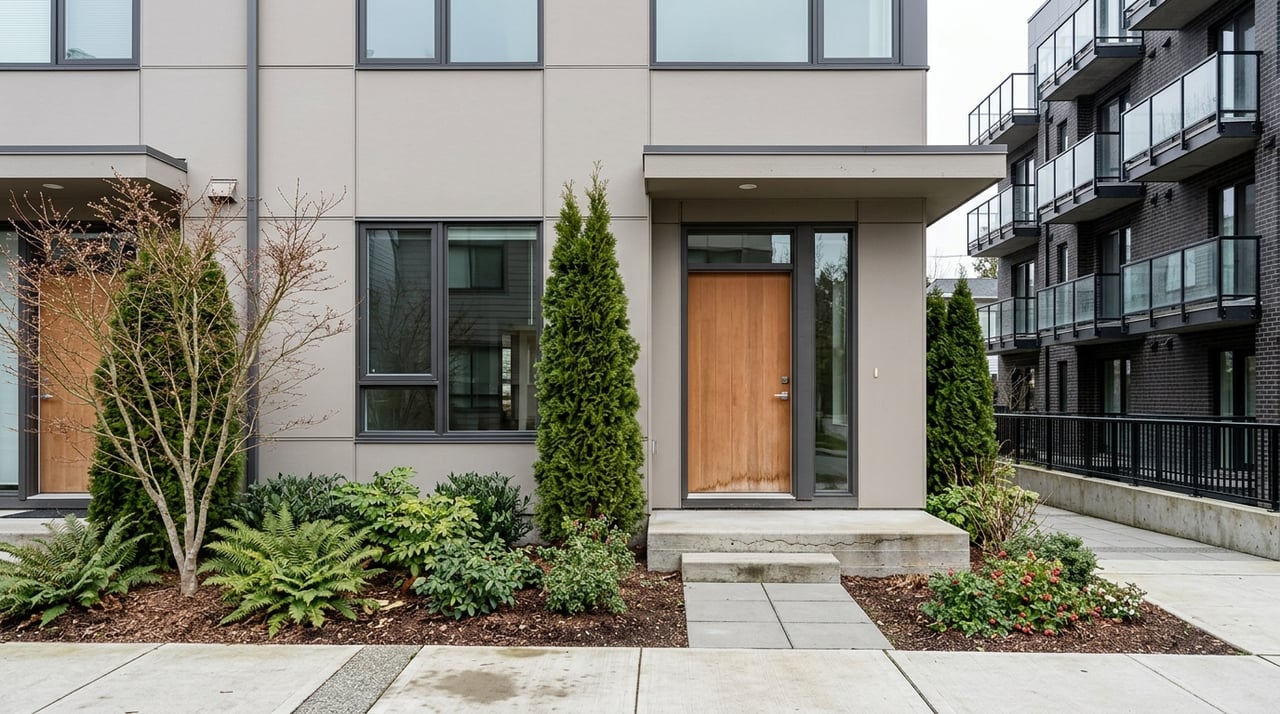
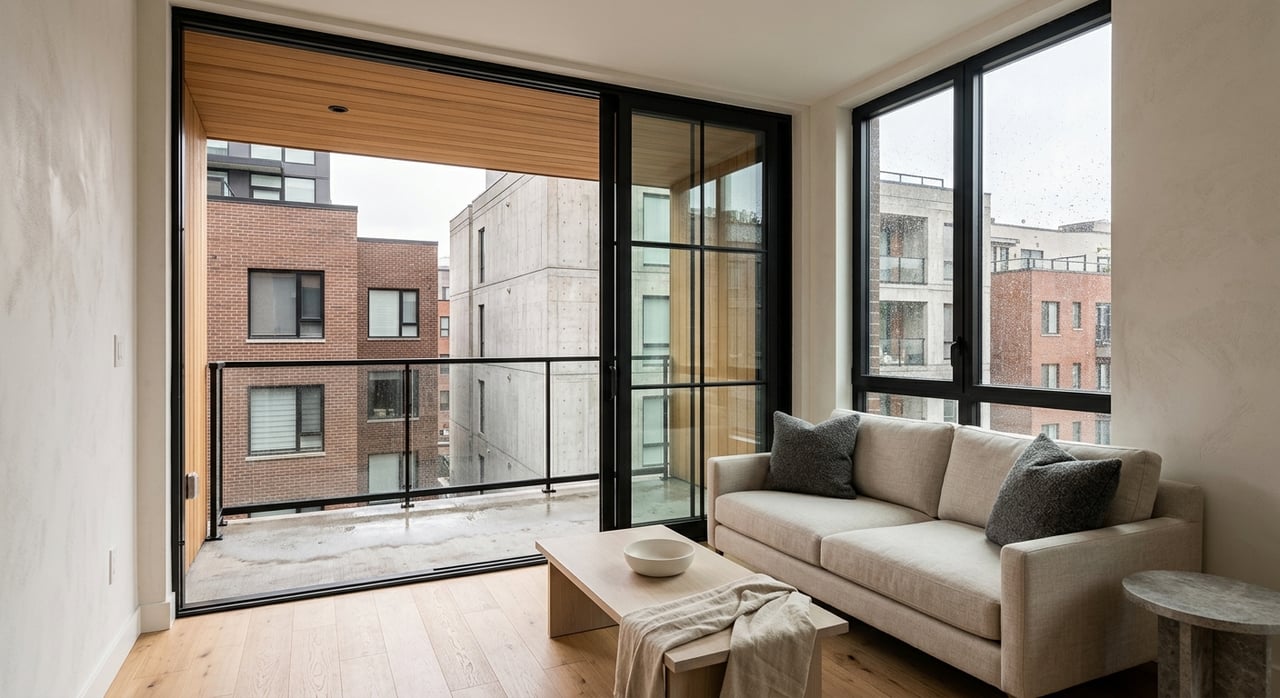
For many buyers, downtown means a lower-maintenance lifestyle. Instead of a detached home and yard, you are more likely to find condos and high-rise living with shared amenities and shorter trips to services. If convenience and being near activity matter most to you, downtown often stands out.
Bellevue Neighborhoods at a Glance
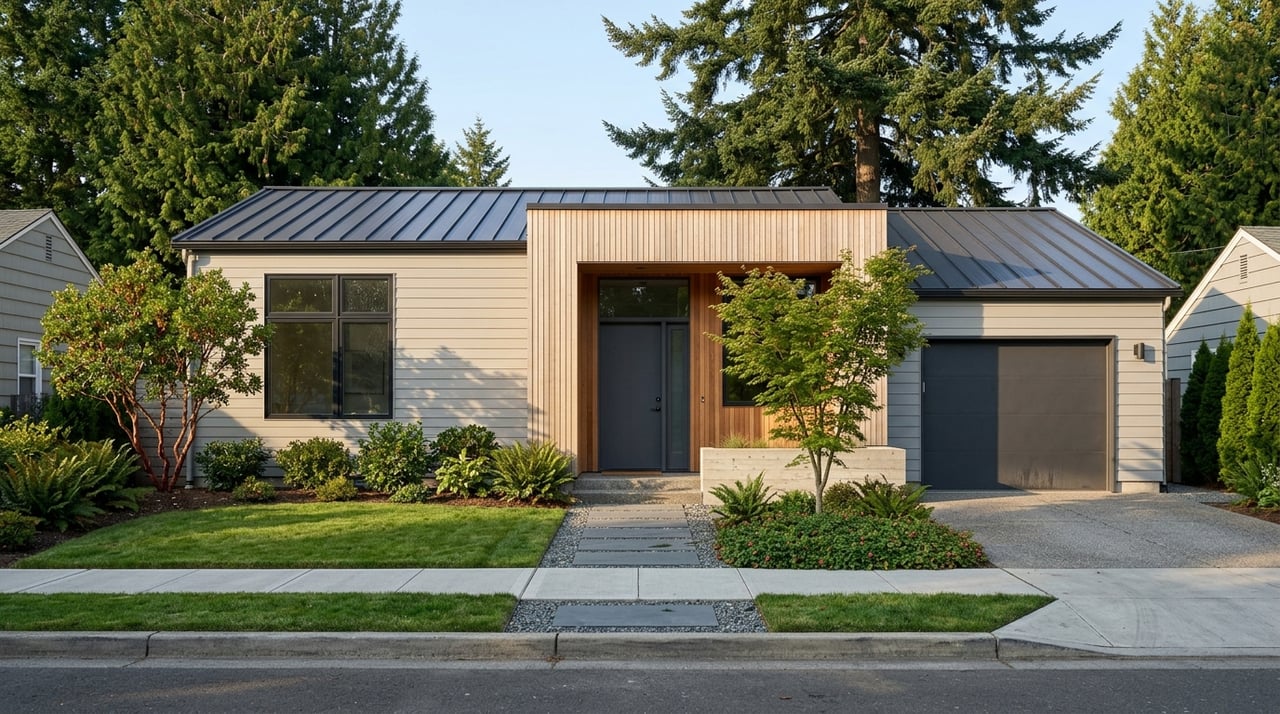
Bellevue’s surrounding neighborhoods offer a different pattern. City planning materials note that about three-quarters of Bellevue’s land area is zoned for single-family uses, while multifamily housing is concentrated in mixed-use centers. In practical terms, that means much of Bellevue outside downtown leans more toward detached homes and residential streets.
Neighborhoods such as Bridle Trails, Somerset, Lake Hills, Newport Hills, Enatai, and West Bellevue each have their own feel and price point. Some are closer in and more somewhat walkable, while others are more car-dependent and centered around private outdoor space. For many buyers, that tradeoff is worth it if they want more room and a more traditional home setup.
Daily Life in Downtown Bellevue
Downtown Bellevue has been intentionally shaped to support a more pedestrian-oriented lifestyle. The city’s Downtown Livability work focuses on enhancing the pedestrian environment and improving downtown as a residential setting. The area’s profile also highlights shopping, dining, Meydenbauer Bay Park, and the Grand Connection as part of its identity.
That shows up in everyday routines. You may be able to walk to coffee, dinner, errands, or a park instead of getting in the car for every stop. Redfin rates Downtown Bellevue with a Walk Score of 73, which supports its reputation as one of the more walkable parts of the city.
Home style is also part of the equation. Downtown Bellevue’s condo market reflects a true urban product, with active listings ranging from roughly $925,000 for a one-bedroom to luxury units above $4 million. If you like newer buildings, lock-and-leave convenience, and access to building amenities, downtown may align well with your priorities.
Daily Life in Bellevue Neighborhoods
Outside downtown, daily life usually feels more house-oriented. Nearby neighborhoods such as Bridle Trails, Lake Hills, and Somerset are described as car-dependent, while West Bellevue is somewhat walkable. Those patterns suggest that errands, commutes, and activities often involve more driving than they would downtown.
That does not mean one option is better than the other. It means your home often becomes a bigger part of your lifestyle in the neighborhoods. A driveway, garage, yard, and private outdoor space may matter more to you than being able to walk to restaurants or stores.
Bridle Trails is a good example of this contrast. City materials describe it as predominantly residential with large lots and a historic equestrian character. That gives it a very different rhythm from the denser, mixed-use environment downtown.
Walkability and Convenience Compared
One of the clearest differences between downtown and the neighborhoods is how you move through your day. Downtown Bellevue is designed to make walking, transit use, and shorter trips easier. The city’s Downtown Transportation Plan emphasizes transit, pedestrian, bicycle, roadway, and signal improvements.
In the surrounding neighborhoods, convenience looks different. You may have more square footage and more separation between homes, but you will often trade some of that walk-to-everything access for a more car-centered routine. For some buyers, that feels calmer and more comfortable. For others, it feels less efficient.
A simple way to think about it is this:
- Downtown Bellevue: More walkable, more mixed-use, more condo living
- Surrounding neighborhoods: More detached homes, more private space, more driving
Commute and Transit Patterns
Transit access is another major dividing line. Downtown Bellevue has the city’s strongest transit connections, and the city says the 2 Line now serves downtown Bellevue, with service across Lake Washington beginning March 28, 2026. Bellevue Transit Center also connects riders to regional service, including Route 550 to Downtown Seattle.
If you want flexibility for commuting or fewer car-only days, downtown has a clear advantage. City transportation planning also points to access tied to RapidRide, East Link, and major freeway corridors including SR 520, I-405, and I-90. That gives downtown residents multiple ways to move around the Eastside and beyond.
In Bellevue’s more residential neighborhoods, commute patterns are usually more car-centered. Lower walk and transit scores in areas like Bridle Trails, Lake Hills, and Somerset suggest that many residents rely more heavily on driving for both work and errands. If your routine already depends on a car, that may not be a drawback at all.
Home Styles and Maintenance
Your housing type changes more than just your floor plan. It often changes how much time, upkeep, and planning your home requires. Downtown Bellevue generally offers condo and high-rise options that appeal to buyers looking for a lower-maintenance setup.
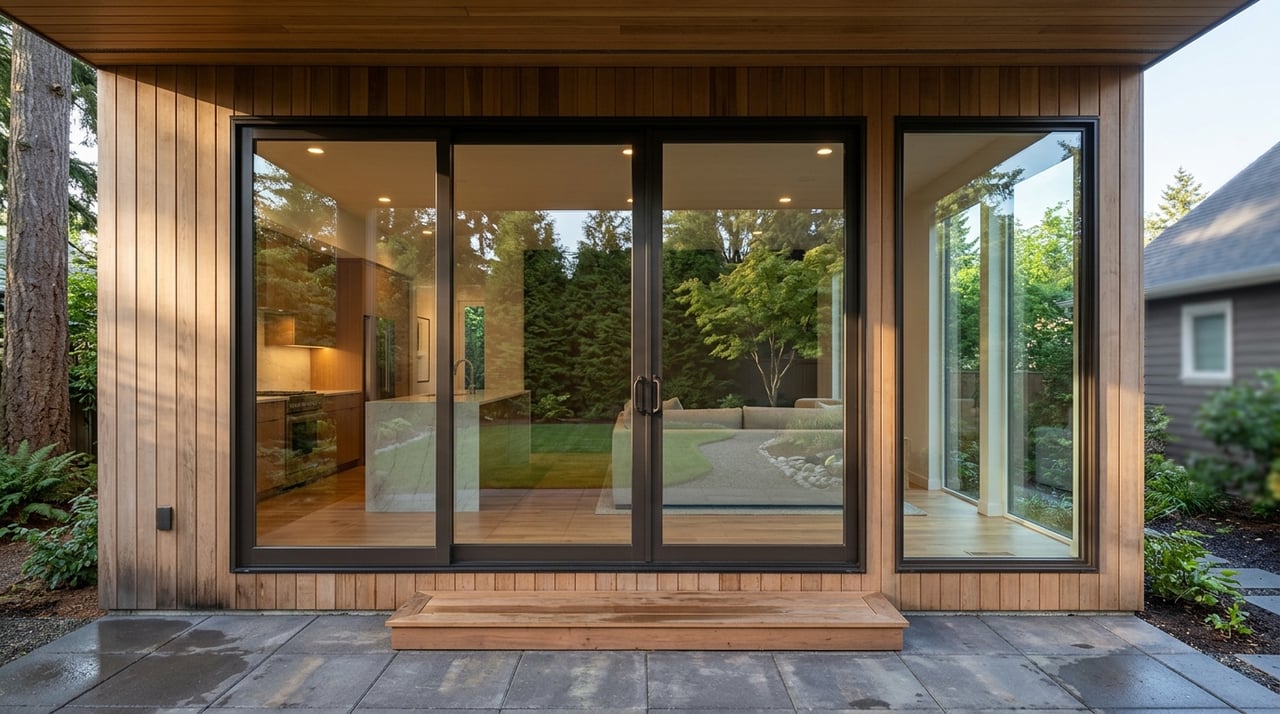
In many surrounding neighborhoods, the housing stock leans more toward detached homes. That can mean more indoor and outdoor space, but it can also mean more ongoing upkeep. If you want a home that gives you room to spread out, host, garden, or simply enjoy more privacy, neighborhood living may be the better fit.
Price Differences Across Bellevue
Bellevue is not one single housing market. It is a collection of smaller micro-markets with different price points, housing types, and lifestyle tradeoffs. That is important to keep in mind when you compare downtown with surrounding neighborhoods.
Downtown Bellevue’s condo market currently has a median listing price of about $1.01 million. The broader downtown housing market shows a recent median sale price of about $834,000 across all home types. Active downtown listings range from under $1 million to well above $4 million, depending on the building, view, size, and finishes.
In the surrounding neighborhoods, representative median prices vary widely:
- West Bellevue: about $3.0 million
- Enatai: about $3.3 million
- Somerset: about $1.9 million
- Bridle Trails: about $1.95 million
- Lake Hills: about $1.29 million
- Newport Hills: about $1.33 million
These numbers show why it helps to compare specific neighborhoods instead of thinking of Bellevue as one broad market. In some cases, a downtown condo may cost less than a close-in luxury neighborhood home. In others, a neighborhood farther inland may offer a different balance of price and space.
Which Bellevue Lifestyle Fits You?
If you are deciding where to focus your search, start with your daily routine rather than just square footage. Downtown Bellevue may be the better fit if you want a walkable setting, stronger transit access, and a low-maintenance condo lifestyle. It can work especially well if convenience, proximity to amenities, and easier commuting are high on your list.
A surrounding Bellevue neighborhood may be the better fit if you want more space, a detached home, and a quieter, more private residential setting. You may drive more often, but you may also gain features that are harder to find downtown, like a larger yard or a more traditional home layout.
The right answer depends on how you want your home to support your life. If you want help comparing Bellevue micro-markets, home styles, and current opportunities, the Andrew Jackson Team can help you narrow the options and find the right fit.
FAQs
What is the main difference between Downtown Bellevue and Bellevue neighborhoods?
- Downtown Bellevue is a more urban, mixed-use area with condos, walkability, dining, and stronger transit access, while many surrounding neighborhoods are more residential with detached homes, larger lots, and more car-dependent routines.
Is Downtown Bellevue more walkable than other Bellevue areas?
- Yes. Redfin rates Downtown Bellevue with a Walk Score of 73, while nearby neighborhoods such as Bridle Trails, Lake Hills, and Somerset are described as more car-dependent.
Are homes in Downtown Bellevue mostly condos?
- Downtown Bellevue is more closely associated with condo and high-rise living, while many surrounding Bellevue neighborhoods are more oriented toward detached single-family homes.
How do Bellevue home prices vary by area?
- Prices vary widely by micro-market. Downtown Bellevue condos have a median listing price of about $1.01 million, while neighborhood medians range from about $1.29 million in Lake Hills to about $3.3 million in Enatai.
Is Downtown Bellevue better for commuting?
- Downtown Bellevue generally offers stronger transit access, including service from the 2 Line and Bellevue Transit Center, while many surrounding neighborhoods tend to support more car-based commuting.
Should you choose Downtown Bellevue or a Bellevue neighborhood?
- If you value walkability, transit, and lower-maintenance living, downtown may fit better. If you want more space, privacy, and detached-home living, a surrounding neighborhood may be the stronger match.