Trying to choose between a Seattle townhome and a condo? You are not alone. Many buyers start with the same question, especially when they want the right mix of price, maintenance, space, and location. The good news is that the decision usually gets much clearer once you understand how these homes are structured in Seattle and what the real tradeoffs look like in today’s market. Let’s dive in.
Start With Ownership Structure
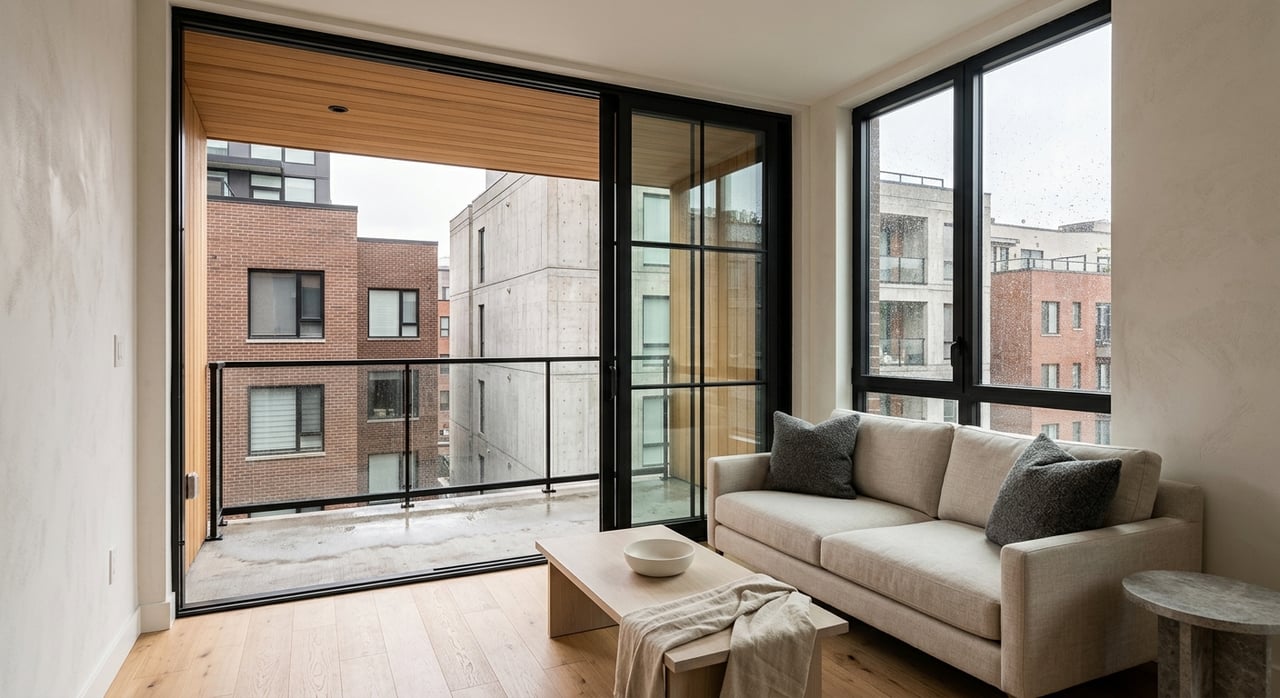
In Seattle, a condo and a townhome are not always apples to apples. A condo is usually an individual unit inside a larger community, with shared ownership of common areas and a monthly fee that often helps cover exterior maintenance, common-area upkeep, insurance, reserves, and sometimes utilities.
A townhome, on the other hand, is not one single legal ownership type in Washington. Some townhomes are legally set up as condominiums, while others are part of a different common-interest community structure. That means the marketing label alone does not tell you enough.
Before you decide, you should verify the recorded declaration, plat, and CC&Rs. In Seattle, that step matters more than the word used in the listing. It helps you understand what you actually own, what the HOA controls, and where your maintenance responsibilities begin and end.
Compare Seattle Prices
If budget is a major factor, the current Seattle market shows a meaningful difference between condos and townhomes. As of June 2026, Redfin reported 973 active condo listings in Seattle with a median listing price of $494,000. Seattle townhouses showed 610 active listings with a median listing price of $780,000.
That is about a $286,000 gap at the asking-price level. Homes.com also showed a spread in May 2026, with a median sale price of $495,000 for condos and $665,000 for townhomes. Its attached-home category includes townhomes, rowhouses, and duplexes, so that number is best used as a directional guide.
For many buyers, that price spread is the clearest starting point. If you want a lower entry point into Seattle homeownership, condos often have the advantage. If you want a more house-like layout and are prepared for a higher purchase price, townhomes often move to the front of the list.
Weigh Competition and Inventory
Pricing is only part of the story. Market pace can also shape your experience as a buyer.
Redfin’s June 2026 data showed Seattle condos averaging 60 days on market and 2 offers, while townhouses averaged 47 days on market and 4 offers. That suggests townhomes may bring more competition in many cases, even though both segments are seeing more inventory and softer sales than a hotter market cycle.
For you, this can create different opportunities. A condo search may offer more choices and a little more time to evaluate the building and documents. A townhome search may require quicker decision-making when the right property comes up.
Understand Monthly Costs
A lower purchase price does not always mean lower total monthly cost. With condos, the monthly HOA fee is one of the biggest factors to review.
Condo fees commonly help cover exterior repairs, common-area maintenance, insurance, reserve contributions, and sometimes water, sewer, or trash. In practical terms, that can reduce your day-to-day maintenance burden. It can also make budgeting more predictable if the association is well run.
With townhomes, monthly dues can be lower in some communities, but that is not guaranteed. Much depends on the legal structure, what the association maintains, and whether shared elements exist. That is why reading the governing documents is essential before you compare one property to another.
Look Closely at Maintenance Responsibility
One of the biggest lifestyle differences between condos and townhomes is maintenance. Washington law generally assigns common-element maintenance to the association and unit maintenance to the owner, though the declaration can change that split.
In many condo communities, the association handles more of the exterior work. That can be appealing if you want less hands-on upkeep. You may trade some autonomy for convenience, but for many buyers that is a worthwhile exchange.
Townhomes often appeal to buyers who want a more independent, house-like feel. In some cases, that can mean fewer building-wide systems to share. It can also mean you may carry more responsibility for upkeep, depending on how the property is structured.
Check Reserves and Assessments
In Seattle, this step is not optional. Whether you are buying a condo or a townhome in an association, reserve strength can have a major impact on your future costs.
Washington has reserve-study rules that matter because weak reserves can lead to deferred maintenance, higher reserve contributions, borrowing, or special assessments. Smaller communities or those with nominal reserves may be exempt, which makes document review even more important.
As a buyer, you should ask a few direct questions:
- What does the monthly fee include?
- How much money is in reserves?
- Is the reserve study current?
- Are any special assessments pending?
- Are there capital projects on the horizon?
These questions can help you spot the difference between a well-maintained community and one that may bring surprise costs later.
Parking Matters More in Seattle
Parking can be a deciding factor, especially if you are shopping in more central parts of the city. Seattle’s parking rules help explain why some condos, particularly in dense urban areas, may not include the parking setup buyers expect.
The city regulates parking on private property and requires permits to create parking. The current ordinance also says residential uses in regional centers or station-area overlay districts have no minimum parking requirement. Residential uses in urban centers within frequent or major transit service areas also have no minimum requirement.
That often shows up in central Seattle condo living. If you are considering a home in a transit-rich area, confirm whether parking is included, assigned, deeded, or leased. Do not assume it comes with the unit just because it seems standard elsewhere.
Match the Home to Your Lifestyle
For many buyers, the best choice comes down to how you want to live day to day. In Seattle, condos often fit buyers who prioritize lower entry price, lighter maintenance, and access to walkable or transit-oriented areas.
That can be especially relevant in dense hubs near Downtown, South Lake Union, Capitol Hill, and First Hill, where many residents can walk, bike, or use transit for daily needs. If your priority is location efficiency and simpler upkeep, a condo may line up well with your goals.
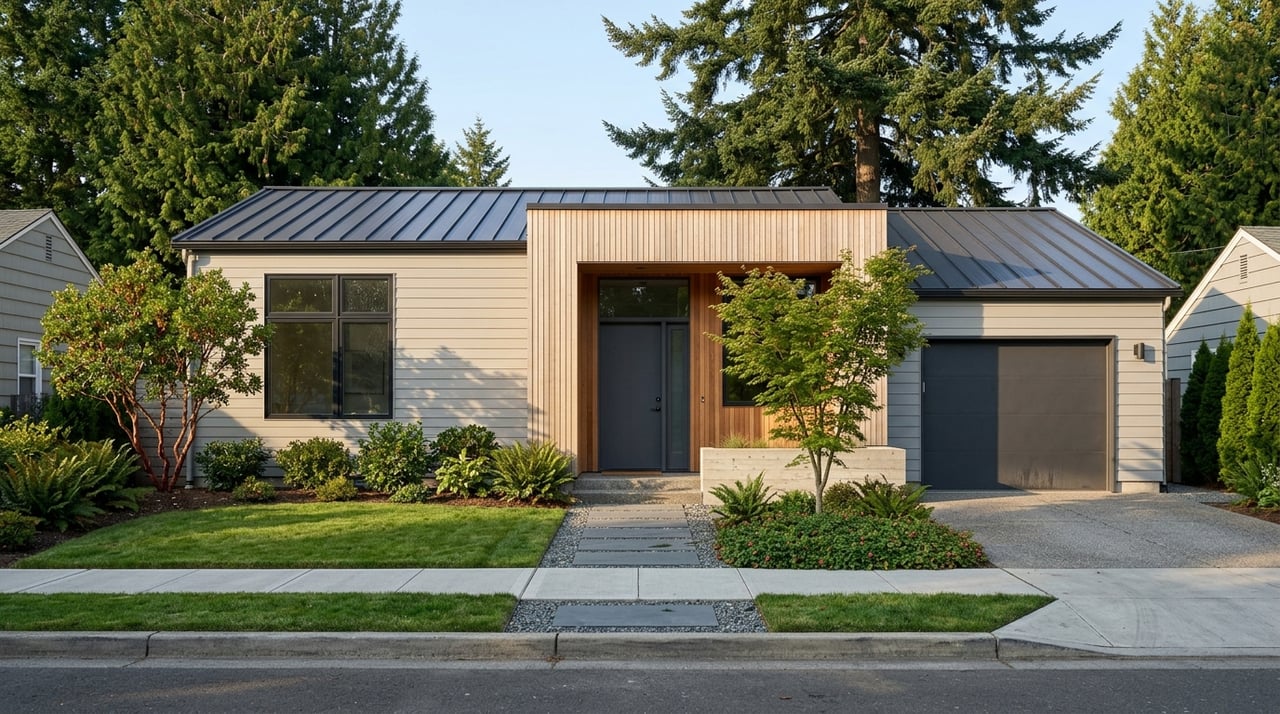
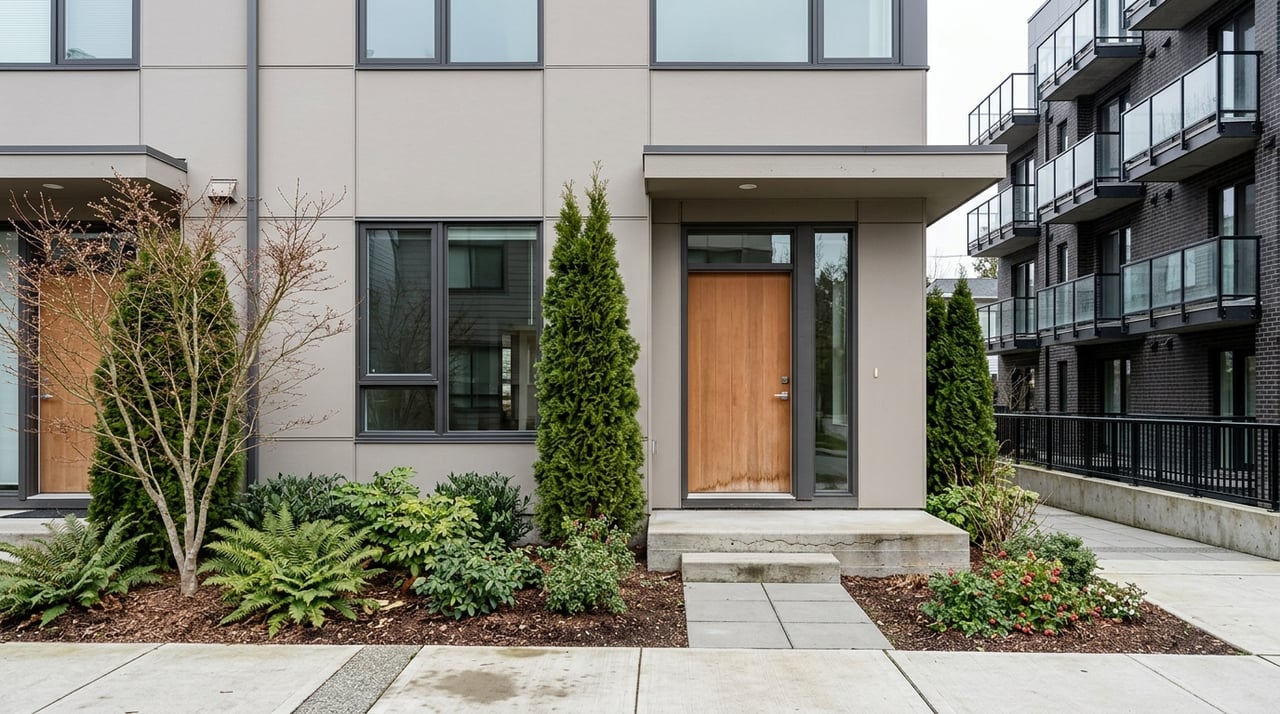
Townhomes often fit buyers who want more separation, a more traditional multi-level layout, and a more house-like experience. Seattle’s lowrise multifamily areas have long supported housing types such as townhouses and rowhouses, and the city’s 2025 zoning changes widened middle-housing opportunities citywide.
Use a Simple Decision Framework
If you are stuck between the two, this quick framework can help:
Choose a Condo If
- You want a lower purchase price
- You prefer less exterior maintenance
- You value walkability or transit access
- You are comfortable with HOA dues if they cover meaningful services
- You want more inventory options in today’s Seattle market
Choose a Townhome If
- You want a more house-like feel
- You are comfortable with a higher purchase price
- You want more separation from building-level systems
- You are prepared to move quickly when a strong listing appears
- You are willing to dig into the ownership structure before assuming how it functions
Focus on the Right Questions
No matter which direction you lean, the smartest Seattle buyers focus less on labels and more on specifics. A well-run condo can be a better fit than a poorly structured townhome. The reverse can also be true.
The goal is to compare the actual ownership setup, monthly costs, reserve health, parking details, and maintenance responsibilities. When you review those pieces carefully, the right option usually becomes much easier to see.
If you are weighing townhomes versus condos in Seattle, the best next step is to compare real listings side by side with local guidance. The Andrew Jackson Team can help you evaluate ownership structure, dues, building documents, and neighborhood fit so you can make a confident move.
FAQs
What is the difference between a Seattle condo and a Seattle townhome?
- A Seattle condo is usually an individually owned unit within a larger community with shared common areas and monthly dues, while a Seattle townhome may be marketed as a style of home but can have different legal ownership structures that need to be verified in the recorded documents.
Are Seattle condos usually cheaper than Seattle townhomes?
- Yes, current Seattle market data shows condos at a lower median price point than townhomes, with Redfin reporting a large asking-price gap in June 2026.
Do Seattle townhomes always have lower HOA fees than Seattle condos?
- No, not always. Fees depend on the community structure, what the association maintains, and what costs are shared among owners.
Why is parking such a big issue for Seattle condos?
- In many dense Seattle areas, residential projects may have no minimum parking requirement under current city rules, so some condo buildings offer fewer guaranteed parking spaces than buyers expect.
What documents should you review before buying a Seattle condo or townhome?
- You should review the recorded declaration, plat, CC&Rs, HOA budget, reserve information, reserve study status, parking details, and any planned special assessments or capital projects.